
Eagle Vision Eye Institute’s Treatments
Our Visionary Eye Care Includes

Eagle Vision® LASIK
Eagle Vision® LASIK is a proprietary fifth-generation LASIK technique developed by Dr. Kerry Assil. Originally developed for high-contact professional athletes like LeBron James, the elliptical flap design offers a larger treatment area, greater flap stability, sharper visual acuity, and a reported lower incidence of dry eye compared to traditional LASIK.
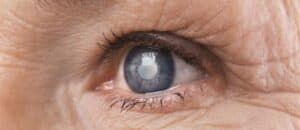
Premium Cataract Surgery
Premium cataract surgery removes the eye’s cloudy natural lens and replaces it with a high-performance intraocular lens (IOL) selected to match your lifestyle and vision goals. With advanced diagnostics and premium lens options, patients may reduce dependence on glasses by correcting nearsightedness, farsightedness, astigmatism, and even presbyopia at the time of surgery.
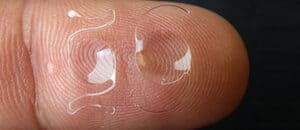
Refractive Lens Exchange (RLE)
Refractive Lens Exchange (RLE) is a vision correction procedure where the eye’s natural lens is removed and replaced with an artificial intraocular lens (IOL). Similar to cataract surgery, RLE corrects nearsightedness, farsightedness, astigmatism, and presbyopia, particularly for patients who aren’t candidates for LASIK.
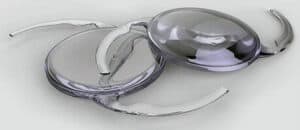
IOLs and IOL Exchange
IOLs (intraocular lenses) are artificial lenses implanted in the eye during cataract surgery or refractive lens exchange to replace the eye’s natural lens. IOL exchange is a surgical procedure to remove and replace a previously implanted IOL, performed when the original lens causes complications or visual issues.
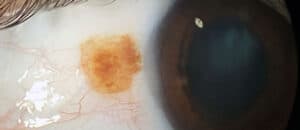
Eye Freckle (nevus) removal
Eye freckle (nevus) removal eliminates pigmented spots on the eye’s surface. Dr. Kerry Assil pioneered a gentle thermal brushing technique that extracts pigment from the conjunctiva, making what was once a complex procedure now simple, painless, and quick with complete recovery and no trace of the original nevus.
YAG Laser Capsulotomy
YAG laser capsulotomy is a quick, in-office laser procedure that restores clear vision when the capsule behind an implanted lens becomes cloudy after cataract surgery (often called a “secondary cataract”). The laser creates a small opening in the cloudy capsule to sharpen vision again, with minimal downtime and no incisions.

ICL (EVO and Verisyse)
Implantable Collamer Lenses (ICL) are lens implants placed inside the eye to correct vision without permanently reshaping the cornea. EVO ICL and Verisyse ICL can be excellent options for patients with high prescriptions, thin corneas, or those who aren’t ideal candidates for LASIK/PRK, providing sharp, high-definition vision with a rapid recovery.

Cornea Transplant (DMEK, DSAEK, PK/PIEK)
Corneal transplantation replaces damaged or diseased corneal tissue to restore clarity and improve vision. Modern partial-thickness techniques like DMEK and DSAEK selectively replace only the affected inner corneal layers for faster healing and more natural optical quality, while PK/PIEK procedures are used for more complex or full-thickness corneal disease.

PRK & LASEK
PRK and LASEK are advanced laser vision correction procedures that reshape the cornea without creating a LASIK flap. These surface-based techniques are often recommended for patients with thinner corneas, certain corneal shape considerations, or active lifestyles, delivering excellent long-term vision outcomes with a longer initial healing period than LASIK.

Keratoconus (Collagen Cross-linking)
Keratoconus is a progressive condition where the cornea thins and bulges outward, causing distorted and worsening vision. Collagen cross-linking is a proven treatment that strengthens the cornea using riboflavin (vitamin B2) and UV light to help slow or stop progression and preserve vision, reducing the need for more invasive surgery later.

Pterygium (Surfer’s Eye)
Pterygium, often called Surfer’s Eye, is a growth of tissue on the white of the eye that can extend onto the cornea and affect vision or comfort. Treatment may include medical therapy for irritation, but surgical removal is recommended when the growth threatens vision, causes significant redness, or continues to progress.

Iris Conditions
The iris is the colored part of the eye that controls how much light enters the pupil, and iris abnormalities can affect both vision quality and appearance. Iris conditions can cause glare, light sensitivity, or irregular pupils and are evaluated with advanced imaging and treated with customized medical or surgical care.